A Master’s in Marine Mammal Science on Sarasota Bay.
An interdisciplinary program, built around partners.
New College sits on Sarasota Bay, and the program brings Florida’s marine mammal scientists together to support student work. Students take thirty credits over two years, write a thesis, and defend it to a committee of core faculty and approved affiliates. Coursework runs across cognition, neuroscience, biology, acoustics and statistics, and the laboratory course meets every term.
"An interdisciplinary academic center providing research and graduate/undergraduate education of the highest quality in marine mammal science through the collaboration of experts and students dedicated to scientific excellence, marine mammal conservation, and outreach."
Thirty credits, two years, one thesis.
Graduation takes all thirty credit hours, a cumulative grade point average of 3.00 or better, a master’s thesis, and a successful oral defense to at least two core MIMMS faculty and one or two approved affiliates.
- Methods in Marine Mammal Behavior & Cognition3
- Marine Mammal Biology3
- Laboratory in Field of Study1.5
- Seminar in Marine Mammal Science1.5
- The Art of the Thesis Proposal1.5
- Statistics3
- Laboratory in Field of Study1.5
- Seminar in Marine Mammal Science1.5
- Elective3
- Analyzing Data3
- Laboratory in Field of Study1.5
- Seminar in Marine Mammal Science1.5
- Elective3
- The Art and Science of Writing a Thesis1.5
- Laboratory in Field of Study1.5
- Seminar in Marine Mammal Science1.5
- Writing a Journal Article, or a Maymester elective3
Every course, in full.
3 credits Methods in Marine Mammal Behavior & Cognition Cognition and neuroscience, with hands-on work on tissues and imaging data.
In this introductory course, students will learn more about the theories and methods related to studying marine mammal cognition (Mod 1) and neuroscience (Mod 2). In Neuroscience, methods covered will include structural and functional MRI, electrophysiology, histology, and varied approaches to comparative anatomy and physiology. Students will have hands-on experience with marine mammal tissues and imaging datasets. Emphasis will be placed on understanding marine mammal nervous systems in terms of ontogeny and phylogeny, and their relationship to behavioral ecology and disease processes.
3 credits Marine Mammal Biology Cetaceans, sirenians, pinnipeds and mustelids, and the conservation questions around them.
In this course, students will delve into the world of marine mammals, including cetaceans, sirenians, pinnipeds, and mustelids. Key areas of study encompass life history, physiology, energetics, ecology, cognition, sensory biology, and reproduction. Further, we address the conservation and management challenges faced by these species. By the end, students will understand the classification of marine mammals, their aquatic adaptations, their ecological roles within marine habitats, and key conservation issues.
1.5 credits Laboratory in Field of Study Every term. Data collection, often off-site at a marine mammal facility or in the field.
In this individualized class, students work with faculty and other students to collect or analyze data in an area selected by the class participants. Data collection will often be done off-site at a marine mammal facility or in the field.
1.5 credits Seminar in Marine Mammal Science Every term. Weekly, faculty and students discuss each other’s work in progress.
In this on-going seminar, faculty and students will meet weekly to discuss each other’s on-going scientific work as well as sharing and discussing peer-reviewed journal articles relevant to that work. Some meetings will include readings, talks by guest speakers, and consideration of hot topics in marine mammal science.
1.5 credits The Art of the Thesis Proposal January term. You draft the proposal for your own thesis project.
In this January-term seminar, each student will work with each other and their professors to draft a proposal for their thesis project. The seminar will provide guidance on building a well-constructed proposal including formulating a strong research question, developing a literature review, outlining methodology, drafting an analysis plan, and discussing possible outcomes. A focus will be placed on clear communication, demonstrating project feasibility, and thoughtful planning.
3 credits Statistics Study design, hypothesis testing, survival analysis and Bayesian inference.
In this course, students will learn about methods to derive information from biological studies, including statistical approaches to interpret laboratory and clinical results. We will cover relevant background on descriptive and inferential statistics, study design and power estimation, hypothesis testing, survival analysis, and Bayesian inference. While some application is required, emphasis is placed on why and when to use each approach. We will give special attention to methods of inference where no underlying distribution is known, a common case in biological research.
3 credits Analyzing Data The analysis tailored to your own research project, in software and code.
In this course, students will work on individualized approaches to data analysis and interpretation. Students will be guided through the process of identifying, conducting, and interpreting data analyses that are specifically tailored to their research projects. Where appropriate, statistical software and programming languages will be utilized and advanced statistical techniques covered.
1.5 credits The Art and Science of Writing a Thesis January term. You write the first draft of your thesis.
In this January-term seminar, each student will create a first draft of their thesis. The seminar will help students organize their findings, consider how their findings fit into the larger context of their field, and synthesize the literature they have reviewed. Additionally, guidance will be provided on the process of structuring and writing a thesis.
3 credits Writing a Journal Article Turning the thesis into a manuscript a journal will take.
In this focused seminar, students will work to turn their thesis work into a journal article. The seminar will provide guidance on how to structure a manuscript, present data in a clear manner, and effectively communicate complex scientific ideas in writing. An emphasis will be placed on the importance of revision, seeking feedback, and conforming to journal expectations.
3 credits Acoustics Underwater sound, marine mammal vocal repertoires, and passive acoustic monitoring.
This course begins with an introduction to underwater acoustic principles, focusing on sound propagation, reflection, absorption, and ambient noise in marine environments. Students will then explore the diverse vocal repertoires of marine mammals, including cetaceans, pinnipeds, and sirenians, emphasizing their functional significance in communication, navigation, and foraging. A pivotal component of this course is the introduction to passive acoustic monitoring techniques. These techniques allow for continuous and non-intrusive monitoring of marine mammals so we may learn about their behavior and ecology.
3 credits Animal Learning and Cognition Learning theory and cognitive processes across species, and how they are studied.
This seminar will focus on learning theory (e.g., classical and instrumental conditioning) and cognitive processes (e.g., perception, attention, memory, timing) in a variety of species as well as the methods used to study these topics. We will consider this work through multiple frameworks (e.g., ecology, philosophy, conservation). This will include contributions to behavioral flexibility in marine mammals and how cognition suits different species for dealing with different sorts of environmental and social problems. Students will engage in assessment and design of studies as well as honing their communication skills.
3 credits Animal Learning and Cognition Laboratory You train goldfish, then observe dolphin and manatee training and shadow the trainers.
The substantial similarities in basic associative learning principles across vertebrates permits generalization of many learning characteristics from the study of just one species. In this lab, students will apply their knowledge of animal learning through training goldfish (Carassius auratus) as a representative species. The laboratory hands-on work will be supplemented with observations of training of marine mammal species (e.g., dolphins, manatees) and shadowing of marine mammal trainers. This course provides basic skills and foundation concepts for behavioral study of cognition.
3 credits Neuroecology, Evolutionary and Genetic Neuroscience How marine mammal nervous systems changed as the species did.
In this course students will examine theory and emerging empirical findings examining changes in marine mammal nervous systems as they speciated. We’ll examine adaptations to aquatic environments and look at the impact of vastly different foraging and social ecologies in pinnipeds and cetaceans. We’ll also consider sensory adaptations in sea otters and sirenians and examine the peripheral and central mechanisms for these. This course is integrative and will span all levels of Neuroscience (Molecular to Systems) and also include diverse concepts in behavioral and sensory ecology.
3 credits Dolphin Communication Visiting Scholar Series. Whistles, and the monitoring system in Sarasota Bay.
Dolphins produce a remarkable number of vocalizations. In this time-compressed intensive seminar, we will investigate the structure, functions, and variety of these vocalizations with a specific emphasis on dolphin whistles. Students will explore how we study and what we know about these whistles, including hands-on experience with a local passive acoustic monitoring system set up in Sarasota Bay.
3 credits Agencies: Research, Funding, Logistics, Professional Pathways How state and federal agencies shape permits, funding and careers.
This course will focus on the outsized role state and federal agencies play in conservation management from permitting to funding to conservation policy. Students will learn how these organizations operate, their impact on research and development, strategies for securing funding, how to navigate logistical challenges, and how to navigate career planning in these organizations.
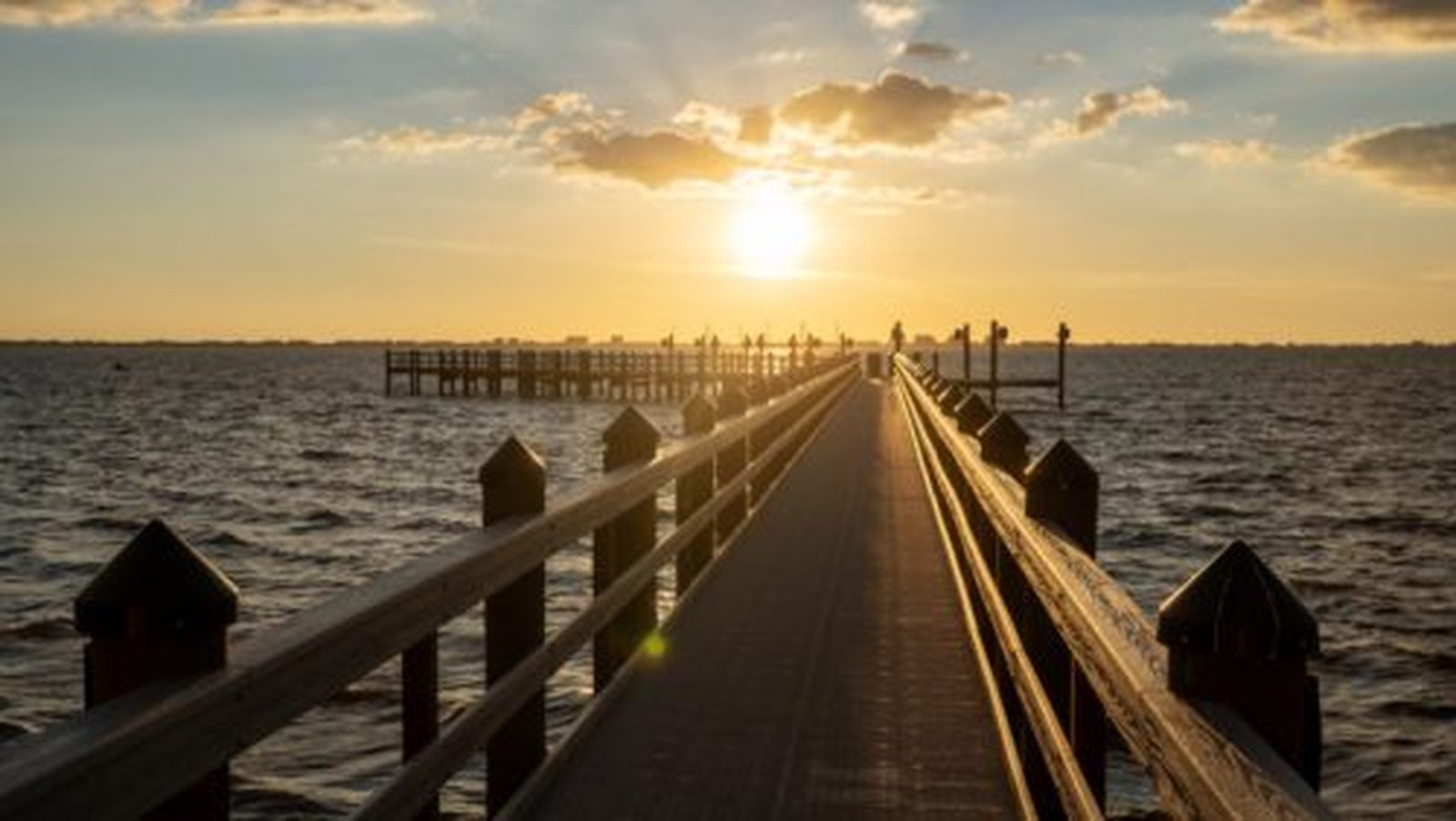
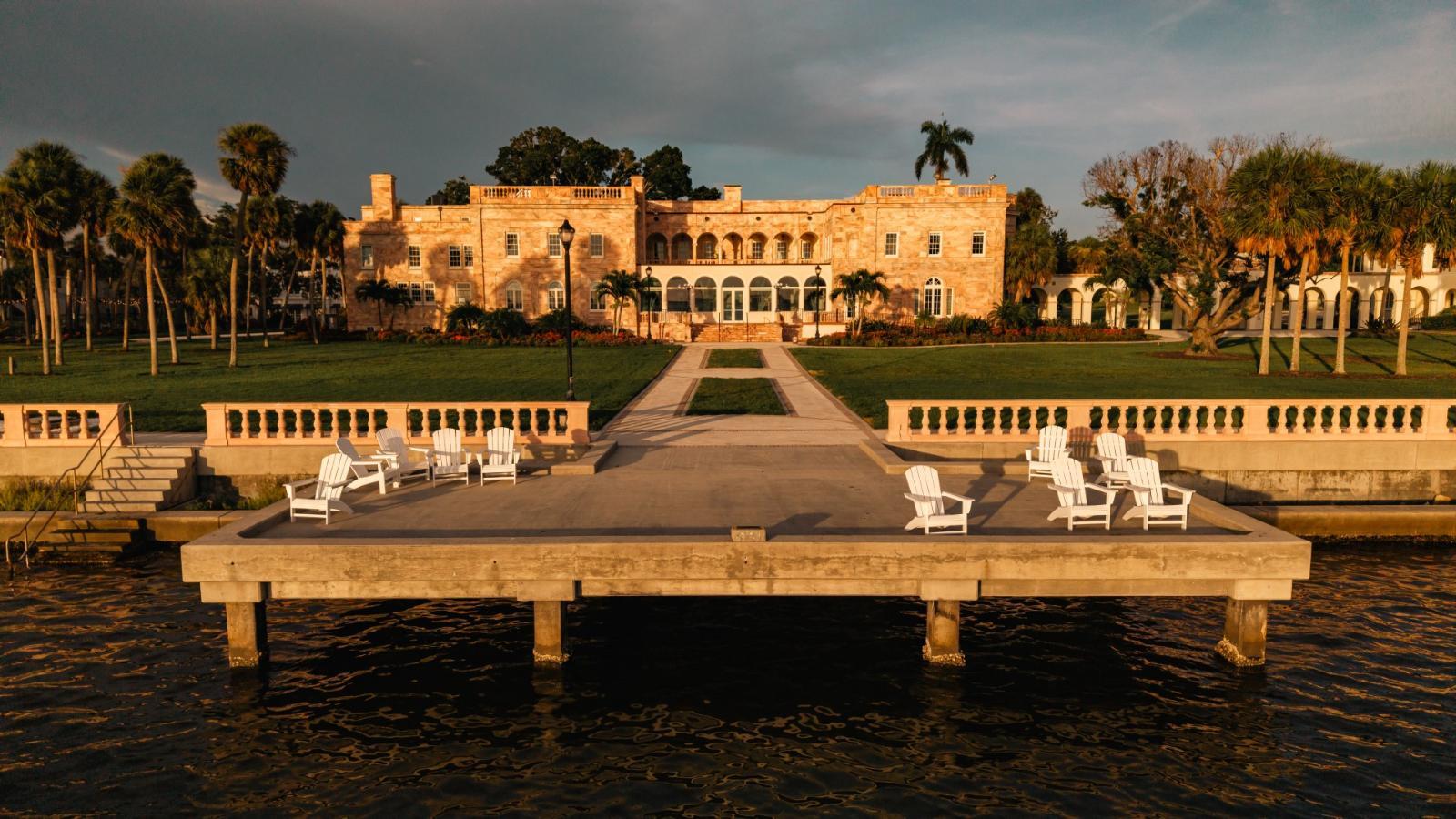
The dock is steps from the building.
The Marine Research and Waterfront Recreation Dock on the Caples Campus opens onto Sarasota Bay. Vessels available to faculty and student researchers are the R/V Limbatus, a 26-foot Beachcat fiberglass pontoon boat, the R/V Pagurus, a 12-foot Skeeter aluminum skiff, and a 14-foot rigid inflatable. The dock is steps from Caples Hall, which houses the program.
Student research feeds into the Florida and Sarasota marine mammal communities, contributing data on the state of Sarasota Bay and other Florida systems, and helping set management and research priorities.
Faculty and staff.
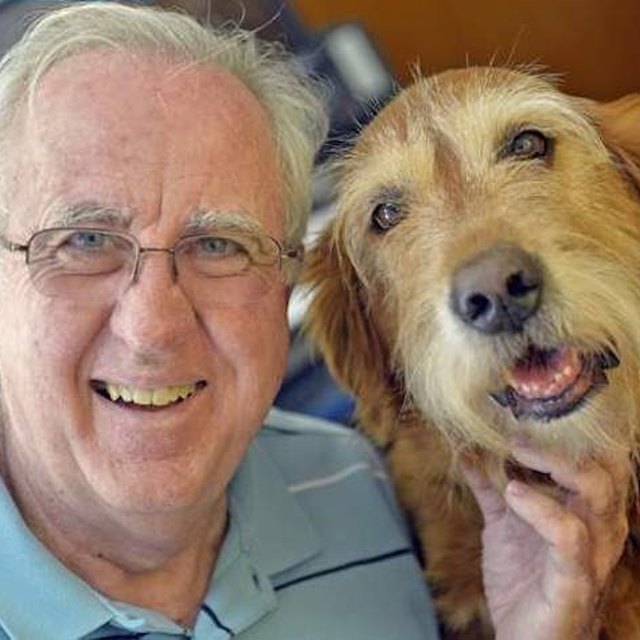
Heidi Harley
Directs the program.
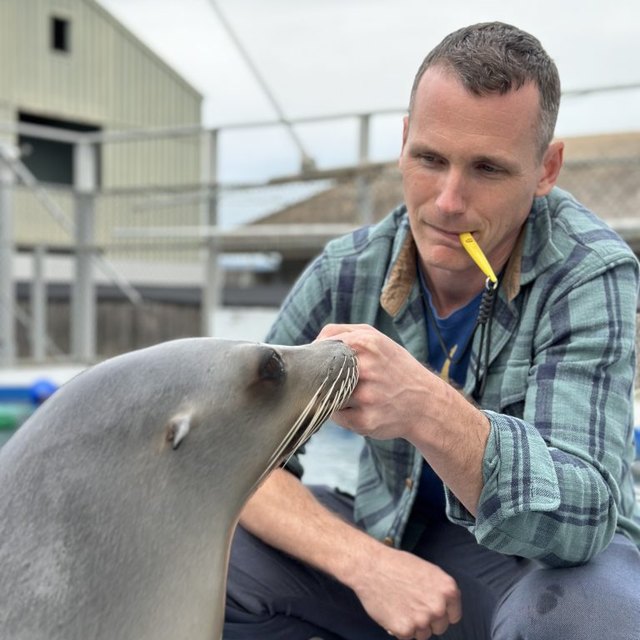
Peter Cook
Biopsychology, neuroscience, psychology.
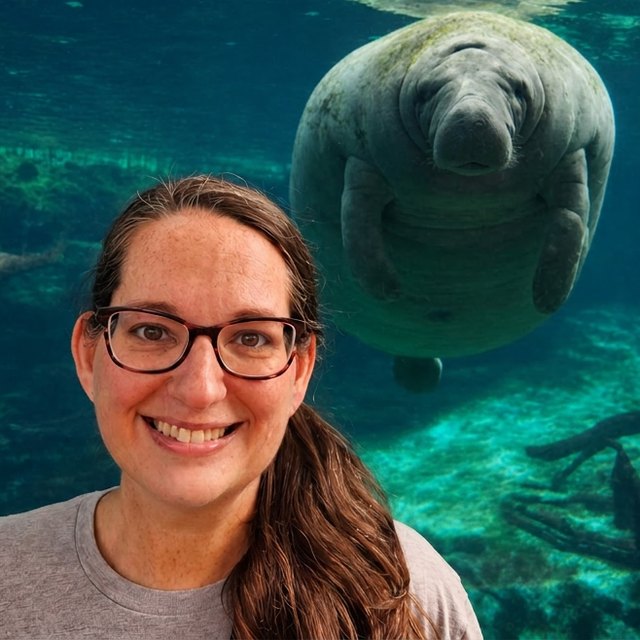
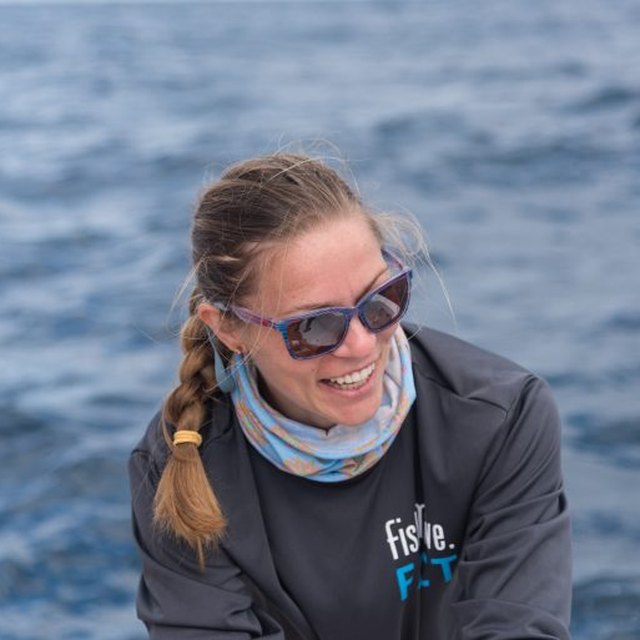
Athena Rycyk
Biology, marine biology, biopsychology.
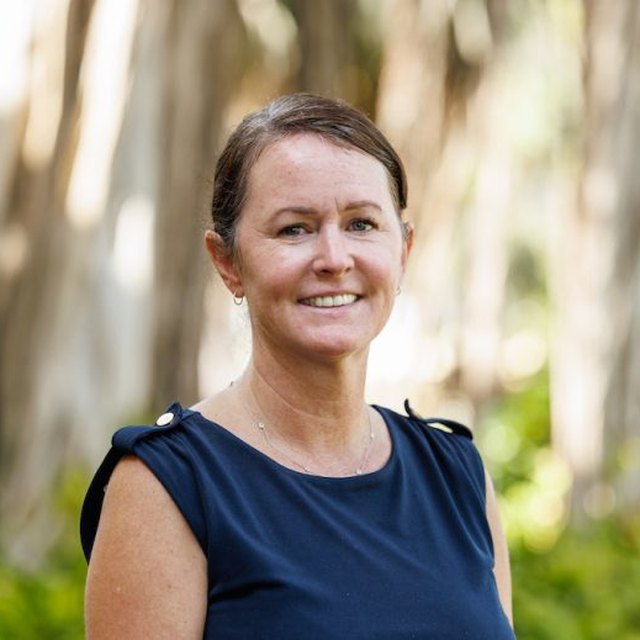
Breanna DeGroot
MIMMS and the Pritzker Marine Biology Research Center.
Jobs with a Master’s in Marine Mammal Science.
The skills required to study marine mammals in an interdisciplinary way carry into science, technology and medicine more broadly.
What students said.
New College was founded as an experiment, and it worked.
It is Florida’s designated honors college: a teaching college where instructors write narrative evaluations of student work, and where every undergraduate defends original research before graduating.
New College runs three graduate programs in total: Applied Data Science, Educational Leadership, and this one, Marine Mammal Science.
How to apply.
Applications open November 1. Students are admitted on a rolling, space-available basis.
The program’s own inquiry form. It goes to admissions, the same as the one on ncf.edu.
All post-secondary transcripts with documentation of a bachelor’s degree, or a forthcoming one, from an accredited US institution or the foreign equivalent as determined by a NACES-member evaluation service. A personal statement describing the research you have done and the question you want to work on, however narrow or broad. Two letters of recommendation, at least one from a faculty member who can speak to your research. GRE scores; the New College code is 5506. Applicants whose first language is not English provide proof of English proficiency.
Introduction to Statistics. An introduction to biology, ecology or psychology. Two upper-level courses in biology, ecology, psychology or statistics. Introductory chemistry is preferred.
Cost, length, and admission requirements.
| Credits | Thirty, across two years |
|---|---|
| Degree | Master of Science, with a thesis you defend |
| Format | In person, on Sarasota Bay |
| Tuition | $11,384 first-year tuition and fees, Florida resident. $30,570 out of state |
| Faculty | Four core faculty, plus partner scientists as additional mentors |
| Admission | A bachelor’s degree, all post-secondary transcripts, a personal statement, two letters of recommendation, and GRE scores |
| Deadlines | Applications open November 1. Early action December 1, regular decision February 1, final June 15, and April 1 for international applicants |
Questions we get.
How long does the program take?
Two years. Thirty credit hours across four semesters, with January terms and a Maymester.
What do I leave with?
A master’s thesis you have defended orally to a committee of at least two core MIMMS faculty and one or two approved affiliates.
What does it cost?
$11,384 in first-year tuition and fees for a Florida resident, and $30,570 for an out-of-state or international student.
Do I need the GRE?
Yes. New College’s GRE code is 5506.
What did you study as an undergraduate?
Introduction to Statistics, an introduction to biology, ecology or psychology, and two upper-level courses in biology, ecology, psychology or statistics. Introductory chemistry is preferred.
Small by design.
Across two years, with January terms and a Maymester.
Plus partner scientists as additional mentors.
$30,570 out of state and international.
To core faculty and approved affiliates.
Dive into your future with the Master’s in Marine Mammal Science on Sarasota Bay.